Do poker fans seek contrast?
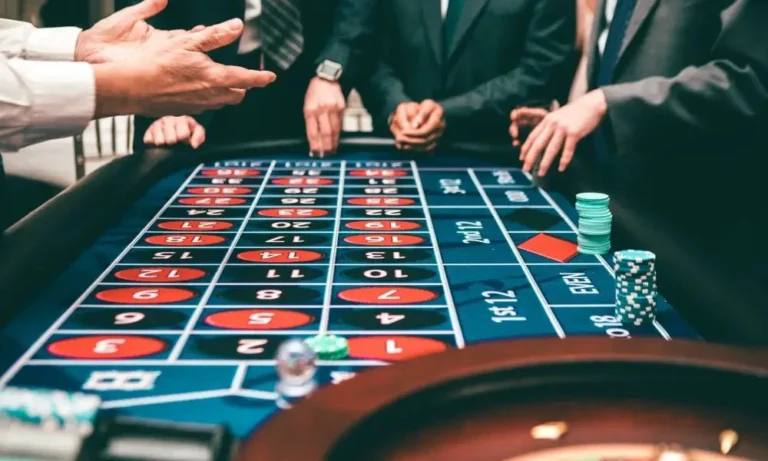
Poker fans seek contrast after long stretches of concentrated card play, and bitcoin live roulette supplies it precisely. Poker rewards constant calculation, opponent reading, and pressure on every street, so a break that still feels lively has real value. Roulette asks for one decision per round and then hands the outcome to a spinning wheel, which rests the mind while the evening keeps moving. Card players browsing the best bitcoin roulette rooms find the same live streaming quality they know from poker broadcasts, complete with presenters and polished studio production. Sessions can even run side by side, since a roulette tab fits neatly beside a cash game during slow stretches between hands. Familiar funding closes the loop, because the wallet already staking the poker balance funds the wheel within minutes. Contrast without disruption is exactly what a card player wants from a second game, and the live wheel delivers that combination reliably every visit.
Variety arrives in three ways
Variety arrives in three ways once a poker fan sits at a live wheel, and each shift lands immediately.
- Pace changes completely
Rounds resolve in under a minute, so the slow build of a long tournament gives way to quick, self-contained moments. A dozen results can arrive in the time it takes one deep poker hand to finish.
- Decisions get lighter
One placement per spin replaces layered betting choices, letting attention rest while the entertainment continues at full strength. Nothing needs weighing beyond where the next chip should sit.
- Luck takes the stage
Outcomes depend purely on the wheel, which makes a refreshing change from games where every result invites self-review. A losing spin carries no lesson to study afterwards.
Three shifts together make roulette feel genuinely new rather than a smaller version of the same evening.
Exploration becomes routine
Exploration becomes routine for many card players once the first visits go well. A common rhythm places roulette between poker sessions, using the wheel as a scheduled reset before returning to the tables sharp. Others end their nights there instead, letting a few relaxed spins close an intense evening on a calm note. Stakes usually stay small during these visits, since the purpose is refreshment rather than a second main game. Some players even time their wheel breaks around tournament registration gaps, filling the wait with something livelier than a lobby screen. Over weeks, the wheel earns a fixed place in the plan, and what began as simple curiosity settles into a habit that quietly supports the poker itself.
Skills travel between games
Skills travel between games more than poker fans expect. Odds literacy transfers directly, since payout rates and coverage percentages read easily to anyone who thinks in equity. Discipline around session limits carries over as well, and card players typically set stop points for the wheel without being told. Composure after swings, trained across thousands of hands, keeps roulette sessions steady from the very start. Even table manners move across, since live dealers appreciate the same courtesy a card room expects. Familiar strengths arriving intact make the new game comfortable from the first session, which encourages fans to keep exploring further.
Variety works best when it truly differs, and the wheel differs from cards in pace, weight, and mood. Poker fans who add live roulette to their rotation return to the felt refreshed, which is the whole point of the visit.