
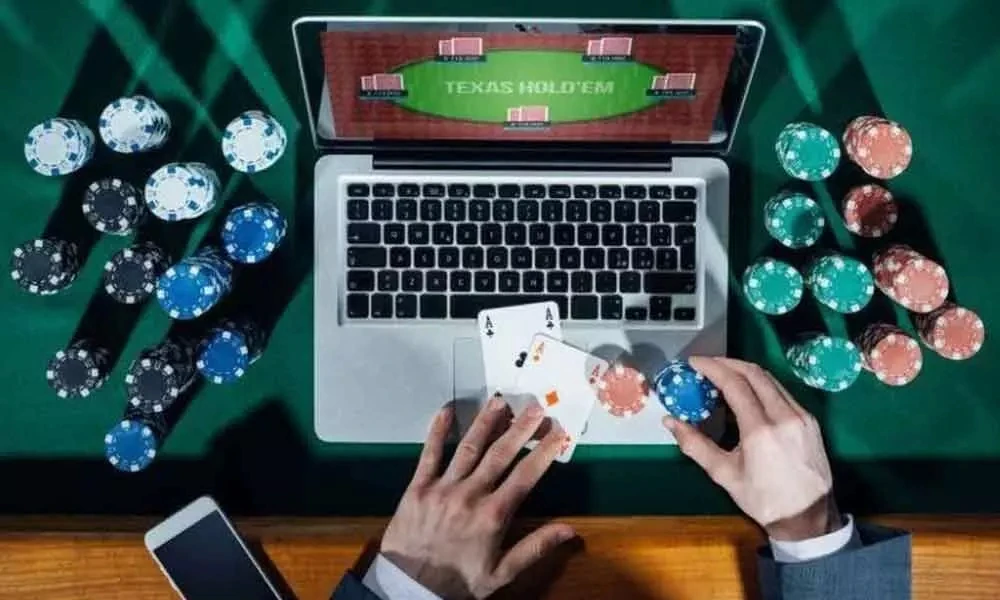
Pokies are the most played and least understood product in online gambling. Two questions get conflated constantly: is the game fair, and is the game safe to play. They have different answers. This guide separates them for New Zealand players.
A longer explainer on RTP variants, testing laboratories and how to read a certification page is available at https://casinonotworking.com.
How online pokies actually work
Every spin outcome is produced by a random number generator. The RNG is running continuously; the moment you press spin determines which value is taken. Reels, animations and “near miss” visuals are presentation layered over a result that was already decided.
Two numbers describe a pokie’s behaviour:
- Return to player (RTP) – the theoretical percentage of total wagers returned over an enormous number of spins. An RTP of 96 percent means a theoretical house edge of 4 percent.
- Volatility – how returns are distributed. High volatility means rare, larger wins; low volatility means frequent, smaller ones. Two games with identical RTP can feel completely different.
RTP is a long-run theoretical figure, not a promise about your session. Over a few hundred spins, actual results can sit far from it in either direction. Anyone describing RTP as “what you get back” is misleading you.
Who verifies fairness
Independent testing laboratories examine RNG output for statistical randomness and verify that a game’s actual return matches its stated RTP. The recognised names are eCOGRA, iTech Labs and Gaming Laboratories International.
Two practical points. First, check the certificate names the platform operator, not only the game studio – a certified game running on an uncertified platform is only half the assurance. Second, some operators deploy configurable RTP variants of the same title, meaning an identical-looking game can return less on one site than another. Being able to see the RTP figure in the game information panel is therefore a genuine safety feature.
What New Zealand’s 2026 regime changes
The Online Casino Gambling Act 2026 brought online casino games, including slots, under a domestic licensing framework administered by the Department of Internal Affairs. Licensed platforms must offer player-set deposit and spending limits, provide self-exclusion tools, comply with advertising restrictions and refuse credit card payments. Software providers whose games appear on licensed platforms fall within the compliance perimeter, which is directly relevant to pokie fairness – accountability now extends to the studio, not just the brand.
The regime is capped at 15 licences and the domestic market opens from 1 December 2026, after which operators without a licence or a pending application must stop serving New Zealand customers.
Where the real risk sits
Fairness testing addresses whether the game is rigged. It does not address the two risks that actually cause harm:
Risk one: the maths is designed to win
A fair pokie is still a losing proposition over time. A 96 percent RTP game returns 96 cents per dollar in theory, and the missing four cents is the entire business model. Fairness certification confirms you are losing honestly.
Risk two: the design encourages continued play
Fast spin cycles, autoplay, near-miss animations, celebratory sound on losses disguised as wins, and bonus-buy features all compress time between decisions. None of this is prohibited by fairness testing. It is worth recognising deliberately, because recognising a mechanism reduces its pull.
Practical safety measures for pokies specifically
- Set a deposit limit before your first spin, not after a losing run.
- Set a session time limit and use reality-check reminders if available.
- Check the RTP in the game info panel every time – the same title can differ between sites.
- Avoid autoplay, which removes the decision point from each spin.
- Treat bonus-buy features as high-variance purchases, not shortcuts.
- Never increase stake size to recover a loss; the maths does not change with bet size.
Bonuses and pokies
Most pokie-related disputes originate in bonus terms rather than in the games themselves. Three figures govern the outcome: the wagering multiple and what it is calculated against, the maximum bet permitted while a bonus is active, and the maximum winnings convertible from bonus funds. A large headline offer with a 50x requirement, a low maximum bet and a tight conversion cap is worse than a small offer with clean terms.
The maximum-bet rule causes the most forfeitures. Players clear a wagering requirement, request a withdrawal, and are told a single spin exceeded the permitted stake weeks earlier. Read the number, and if you accept a bonus, keep every spin below it. Declining bonuses entirely is always allowed and removes the entire category of risk.
Session structure
Decide the deposit amount and the stopping point before you open the site, not during play. Losing sessions produce reliably bad decisions about session length and stake size, which is the mechanism behind most serious losses – not any single spin.
Treat any win as money to withdraw rather than as a larger balance to play with. The difference between a good outcome and a bad one is usually whether the money left the account.
Frequently asked questions
Can a pokie be “due” for a win?
No. Each spin is independent. A game that has not paid in hours has exactly the same probability on the next spin as one that just paid a jackpot.
Does playing at a higher stake improve RTP?
Not as a rule. Some jackpot games require a maximum bet for jackpot eligibility, which is a separate matter and increases exposure.
Is a licensed site’s pokie definitely fair?
Licensing plus independent certification is strong evidence. It is not a mathematical guarantee, and it says nothing about whether the game is a sensible use of your money.
Responsible gambling: Pokies are designed for continuous play, which makes limits genuinely important. If gambling has stopped being fun, free and confidential support is available in New Zealand on 0800 654 655.

Comments are closed.